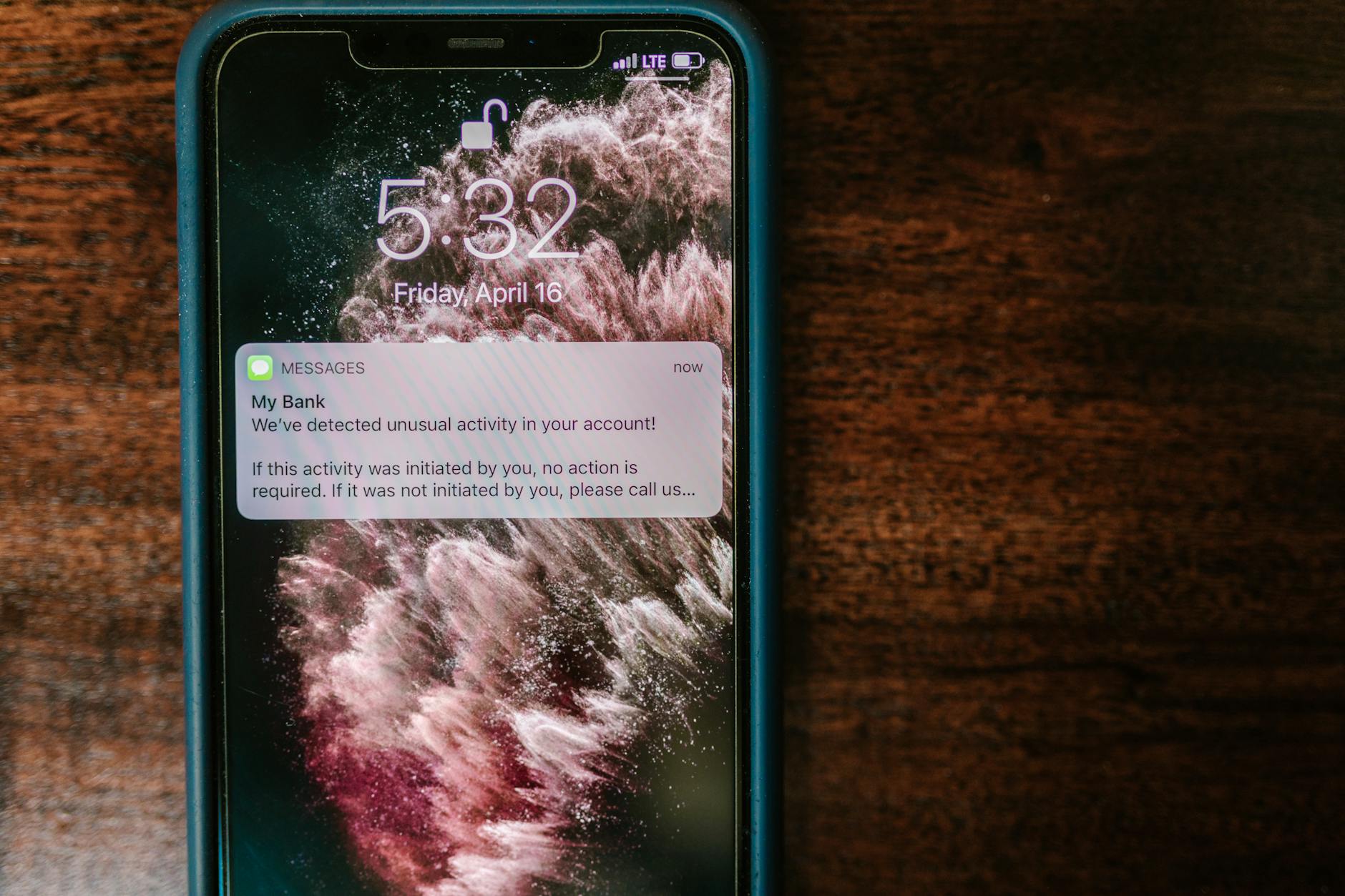
IRS scammers stole approximately $1.8 billion from Americans in 2023, according to the Federal Trade Commission. According to the FBI IC3 Internet Crime Report that they're becoming increasingly aggressive. After analyzing call patterns, common tactics include a consistent playbook.
The $1.8 Billion Problem: Why IRS Scams Keep Working
These calls often hit at vulnerable moments. You're driving home from work, your phone rings with a local number, and suddenly someone claiming to be from the IRS threatens immediate arrest unless you pay thousands in back taxes.
Here's the frustrating part: traditional call blocking has limitations against IRS scammers. They spoof local numbers, rotate through hundreds of caller IDs, and use robocall systems that can bypass some carrier-level filters. Testing on various Android devices using built-in spam protection showed that some IRS scam calls can get through despite these protections.
The emotional manipulation is deliberate and calculated. They create artificial urgency, threaten legal action, and demand immediate payment through untraceable methods like gift cards or wire transfers. Once you engage, they have your attention — and that's when the real damage begins.
"According to FTC Consumer Sentinel Data, the average IRS scam victim loses approximately $4,800, with seniors typically losing significantly more." — FTC Consumer Sentinel Data
Common IRS Scam Scripts and How to Respond
After reviewing call patterns and scam reports, several core scripts are used repeatedly by scammers. Here's what they typically say — and exactly what you should do:
Script 1: The Immediate Arrest Threat
What they say: "This is Agent Johnson from the IRS Criminal Investigation Division. A warrant has been issued for your arrest due to unpaid taxes. You have 30 minutes to resolve this before local authorities arrive."
How to respond: Hang up immediately. The real IRS does not threaten arrest over the phone, and they do not give ultimatums. Block the number and report it to the FTC.
Script 2: The Frozen Bank Account
What they say: "Your bank accounts will be frozen in 24 hours unless you verify your tax information and make an immediate payment of $3,847."
How to respond: End the call. The IRS cannot freeze bank accounts without extensive legal proceedings and written notice. They do not accept payment verification over the phone.
Script 3: The Refund Verification
What they say: "We have a $2,100 refund pending, but we need to verify your bank account information and Social Security number to process it."
How to respond: Disconnect immediately. This is a common identity theft tactic. The IRS already has your banking information from your tax return and does not request "verification" over the phone.
Script 4: The Final Notice
What they say: "This is your final notice before legal action. You owe $5,200 in back taxes plus penalties. Press 1 to speak with an agent about payment options."
How to respond: Don't press anything. Hang up. Real IRS final notices arrive via certified mail with detailed account information and specific payment instructions.
Script 5: The Computer Glitch
What they say: "Our computer system shows an error in your tax filing. We need you to confirm your personal information to prevent penalties and interest charges."
How to respond: End the call. The IRS typically does not cold-call about filing errors. They send correction notices by mail with specific details.
Script 6: The Lawsuit Settlement
What they say: "You're being sued by the IRS for $8,900 in unpaid taxes. We can settle this today for $2,200 if you pay by wire transfer within two hours."
How to respond: Hang up and block the number. The IRS does not offer phone settlements, and they do not accept wire transfers or gift cards as payment.
Script 7: The Stimulus Verification
What they say: "You're eligible for an additional $1,400 stimulus payment, but we need to verify your identity and bank account to send it."
How to respond: Disconnect immediately. Stimulus payments were automatic based on tax returns. The IRS does not typically call to offer additional payments or request verification.
Why Phone Carrier Spam Filters Have Limitations Against IRS Scammers
Spam call protection varies across carriers. The challenge is that scammers use sophisticated spoofing technology that makes their calls appear to come from local numbers. Carrier-based filters rely on known scammer databases, but IRS scammers frequently rotate through new numbers and calling patterns.
The problem with relying solely on carrier protection is that you may get a false sense of security while sophisticated scammers slip through. Many users report that some IRS scam calls bypass carrier filters.
On-Device Call Blocking: Enhanced Protection
On-device analysis that evaluates calls before they ring your phone offers a different approach compared to carrier-based filters. Unlike filters that depend on remote databases, on-device blocking can analyze calling patterns, number spoofing indicators, and known scammer behaviors in real-time.
On-device blocking solutions typically offer several advantages for IRS scam protection:
- Spoofing detection: Identifies when scammers fake local numbers
- Pattern recognition: Blocks robocall systems used for mass IRS scam campaigns
- Privacy: Your call history stays private — nothing sent to external databases
- Real-time updates: Adapts to new scammer tactics without waiting for database updates
- Offline capability: Can provide protection even when cellular data is weak or unavailable
- Customizable blocking: Set rules during tax season when IRS scams typically increase
- Silent blocking: Stops calls before they interrupt your day
User Experiences with IRS Scam Protection
"I was getting multiple IRS scam calls per week during tax season. Since using on-device call blocking, I've noticed a significant reduction." — Sarah M., Android user
"My elderly father almost fell for an IRS scam last year. After installing call blocking protection on his phone, those calls are now filtered. It's provided peace of mind." — Michael R., Android user
"As a tax preparer, I get targeted by IRS scammers regularly. On-device call blocking has been effective without affecting legitimate client calls." — Jennifer L., Android user
"On-device call blocking has significantly reduced spam calls on my phone, including IRS scam attempts. I didn't realize how heavily I was being targeted." — David K., Android user
Users typically report meaningful reductions in IRS scam calls after implementing on-device call blocking solutions.
Protect Yourself from IRS Scammers
You have options: continue managing IRS scam calls as they come, or implement protective measures to reduce them. IRS scammers remain active and target millions of people annually.
On-device call blocking solutions offer protection without requiring data sharing or monthly limits. Various options are available at different price points.
Ready to reduce IRS scammer calls? Explore on-device call blocking solutions available on the Google Play Store. Many offer free trials so you can test effectiveness before committing. Take control of your phone's security now.
Don't wait for the next IRS scam call to find you. Implement protective measures today.